Kwale County forms Kenya’s southern coastal frontier, bordering Tanzania to the south, Taita Taveta County to the west, Mombasa County to the north, and the Indian Ocean to the east. Its administrative capital is Kwale Town, though Diani remains the most widely recognised centre for visitors.
With a population of over 860,000 people and a land area of roughly 8,270 square kilometres, Kwale is one of the larger and more populous coastal counties. It is divided into four sub-counties: Msambweni, Lunga Lunga, Matuga and Kinango. While tourism concentrates along the shoreline, much of the county extends inland into agricultural and forested terrain.
Landscape and Geography
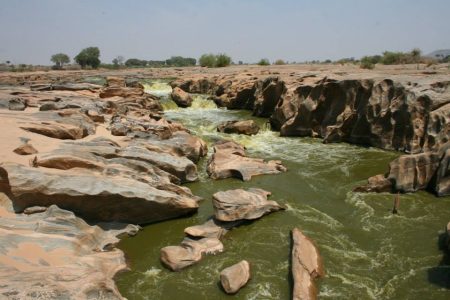
Kwale’s geography shifts as you move away from the sea. The coastal plain gives way to raised plateaus and uplands before opening into parts of the Nyika plateau further inland. This layered terrain distinguishes Kwale from flatter northern counties and contributes to its ecological diversity.
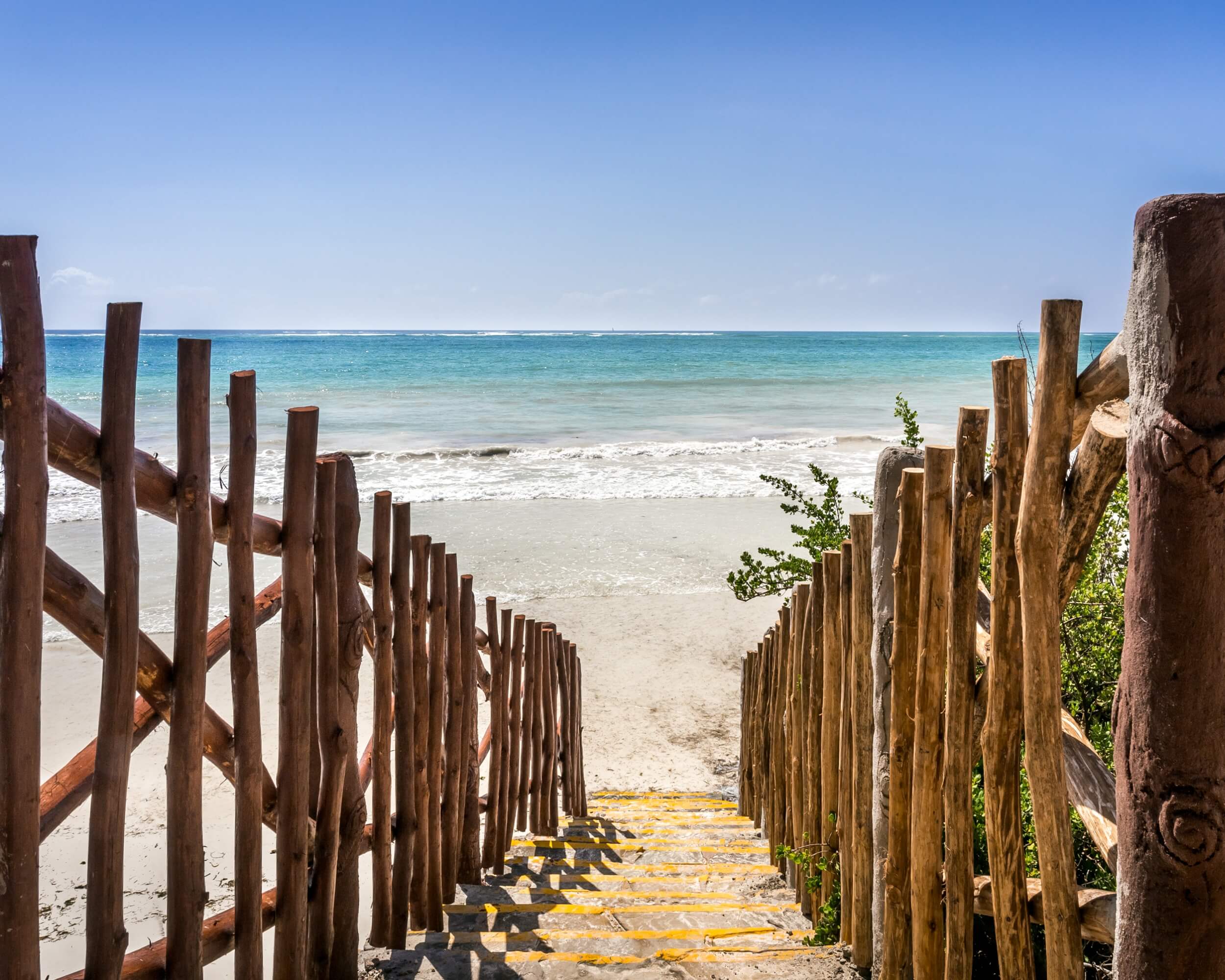
The coastline itself stretches along coral reef-protected waters, creating calmer lagoons in some areas while maintaining open ocean conditions elsewhere.
Climate and Seasons
Kwale experiences a tropical monsoon climate. January to April is typically hot and relatively dry. June to August tends to be slightly cooler, with lower humidity. The long rains usually arrive between March and June, while shorter rains occur from October to December.
Temperatures average in the mid-twenties Celsius throughout the year, though humidity can be high along the coast. Beach conditions remain favourable for much of the year, with July to October often considered one of the most comfortable travel periods.
The Coastline: Diani and Beyond
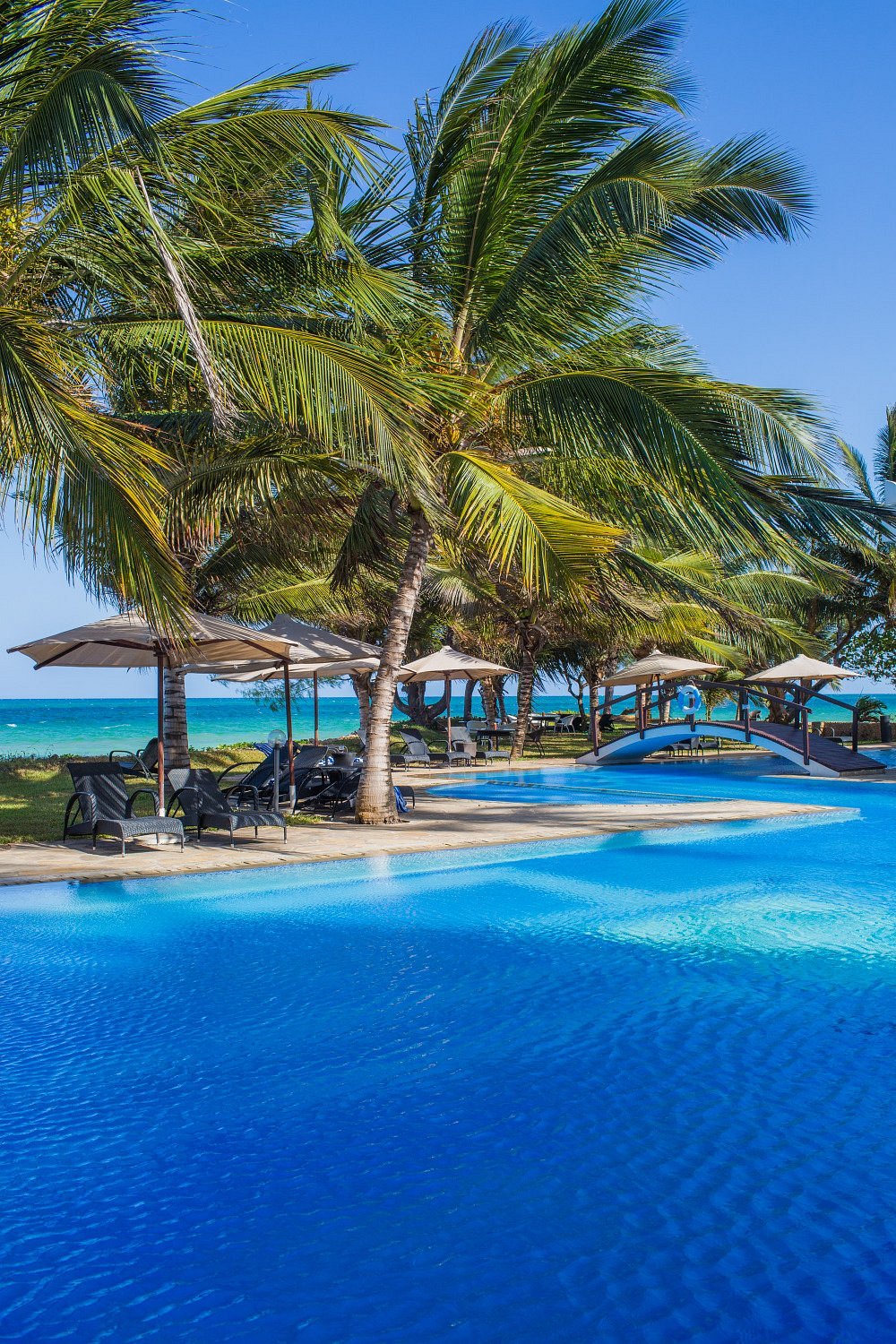
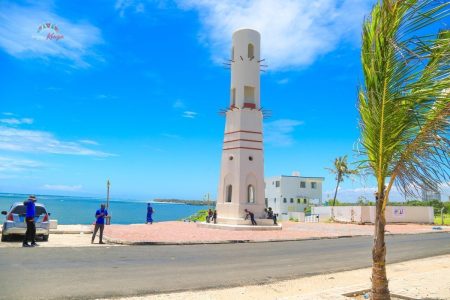
Diani Beach is the most established tourism hub in Kwale County. The shoreline runs for roughly seventeen kilometres, lined with palm trees and low-rise hotels. Swimming conditions are generally more predictable than in tidal channel regions like Lamu, though tides still influence beach width.
South of Diani, Galu and Msambweni offer quieter stretches with fewer large hotels. Tiwi Beach, located north of Diani, provides a more residential and secluded alternative.
Offshore, the coral reef supports snorkelling and diving activities. Between July and October, humpback whales migrate along the coast and are occasionally sighted.
Marine and Coastal Sites
Kisite Mpunguti Marine Park, near Shimoni and Wasini Island, is one of Kenya’s most renowned marine conservation areas. It is known for coral gardens, dolphins and seasonal marine life. Wasini Island also offers dhow excursions and seafood experiences.
Further south near the Tanzanian border, Shimoni Caves reflect layers of coastal history connected to trade and migration.
Inland Conservation and Forest
Beyond the beaches, the Shimba Hills National Reserve offers forested terrain and escarpment views across the coastal plain. It is one of the few places in Kenya where sable antelope can be seen. Sheldrick Falls lies within the reserve and remains a popular hiking destination.
Kaya Kinondo Sacred Forest, managed by the local Digo community, preserves one of the Mijikenda sacred kaya sites and offers insight into coastal spiritual heritage.
Colobus Conservation near Diani focuses on protecting the endangered Angolan colobus monkey and preserving coastal forest corridors.
Culture and Community
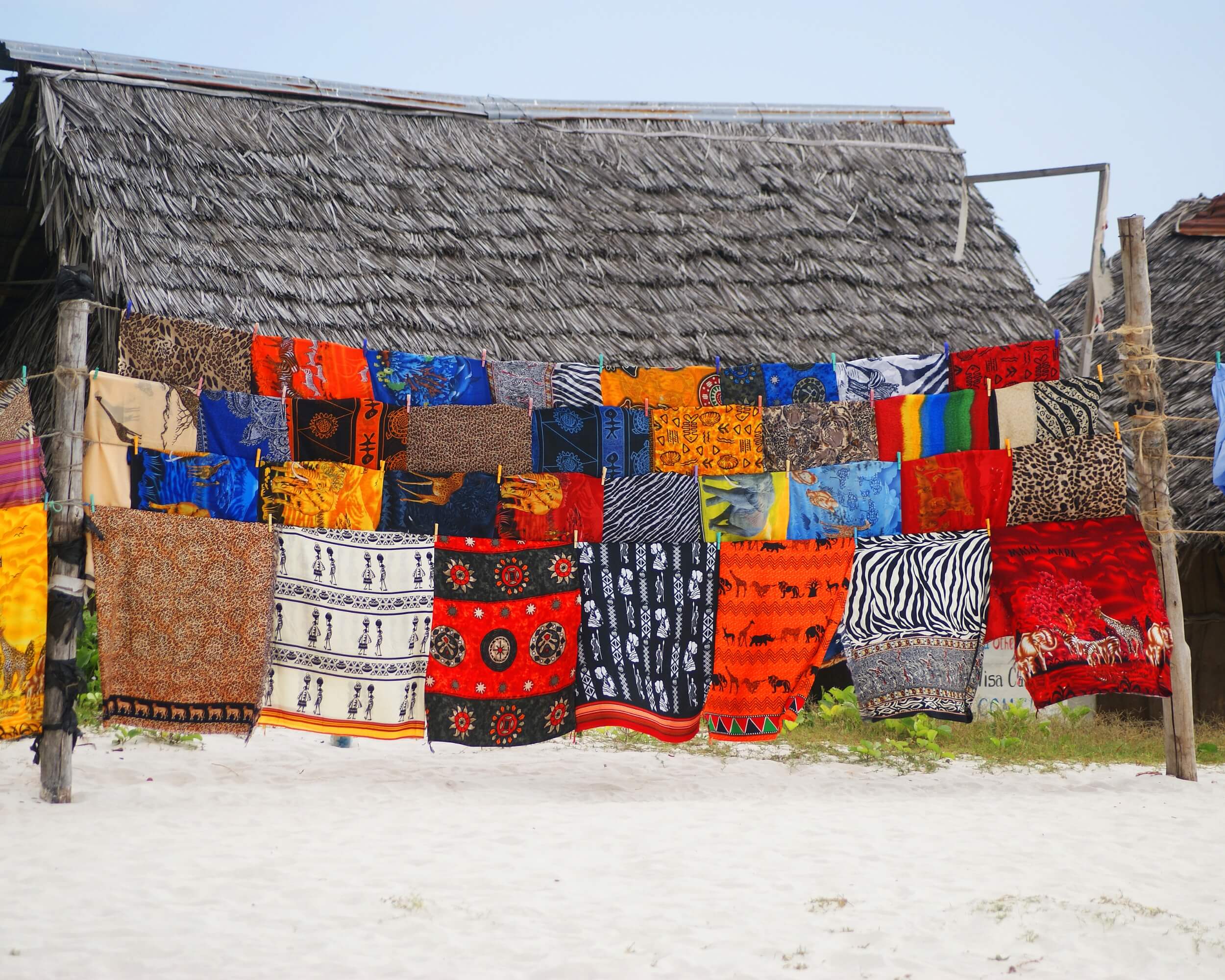
Kwale County is home primarily to the Digo people, one of the nine Mijikenda communities. Coastal settlements reflect Swahili influence, while inland villages maintain agricultural traditions tied to coconut, cassava and cashew farming.
Islam is widely practised along the coast, with Christian and traditional beliefs present inland. Markets in Ukunda and surrounding towns provide fresh seafood, spices and locally grown produce.
Tourism operates alongside everyday life rather than replacing it.
Access and Transport
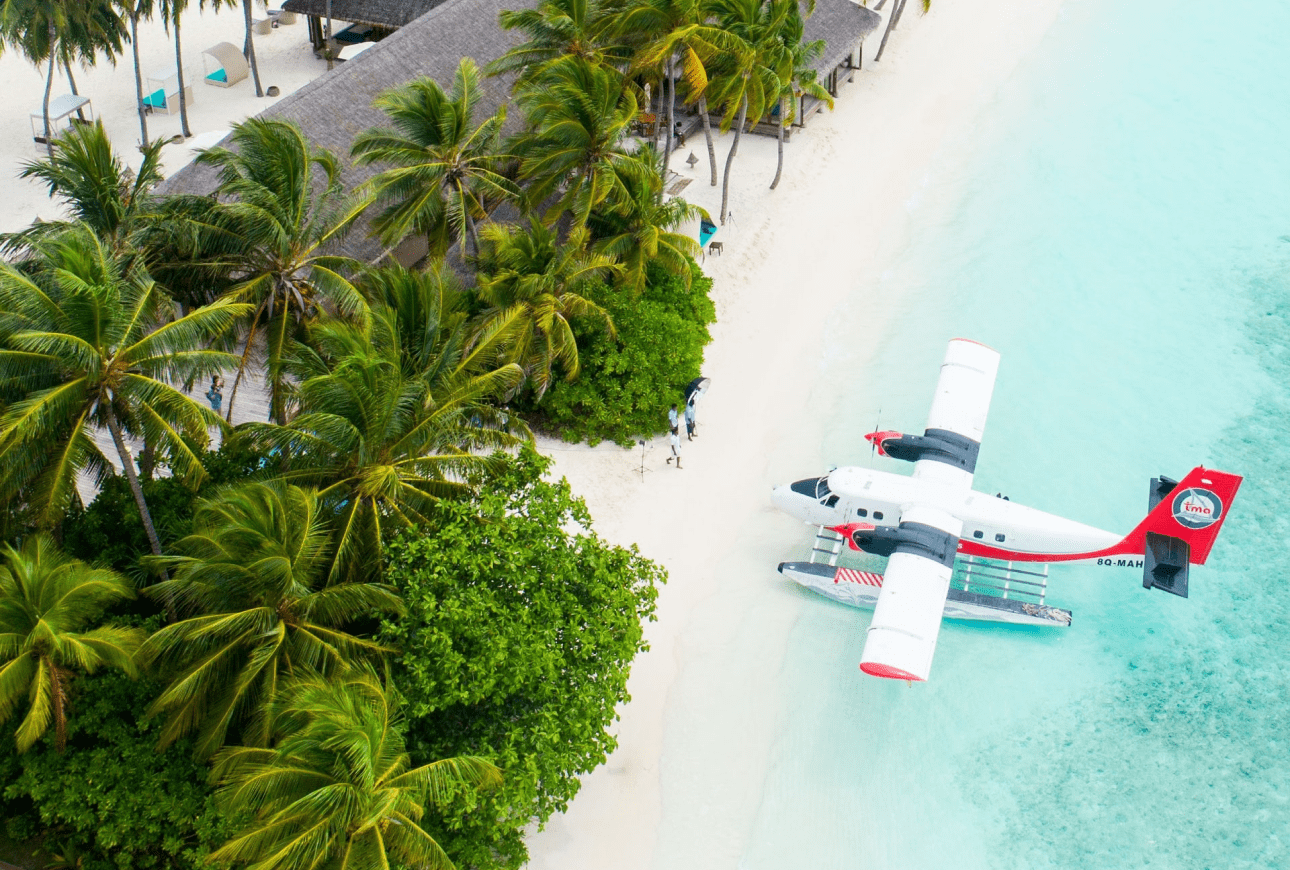
Kwale County is accessible by road from Mombasa via the Likoni crossing or the Dongo Kundu bypass route. Ukunda Airstrip receives regular domestic flights from Nairobi and other cities, providing direct access to Diani.
The Standard Gauge Railway connects Nairobi and Mombasa, after which road transfer continues south.
Infrastructure is more developed along the Diani corridor, while inland areas remain more rural.
Who Kwale Suits
Kwale suits travellers seeking reliable beach time, diving, snorkelling and easy access from Mombasa. It works well for family holidays, boutique stays and short coastal escapes.
It is less oriented toward heritage immersion than Lamu and less urban than Mombasa. Its appeal lies in beach, reef and forest rather than carved doors or old stone lanes.
Accommodation and Experiences
Accommodation ranges from beachfront resorts and boutique hotels to eco-lodges and private villas. Popular experiences include reef snorkelling, scuba diving, kite surfing, Shimba Hills safaris, sacred forest visits and marine excursions to Wasini Island.
For curated stays and locally verified experiences across Kwale County, explore our listings.