Roam N Rest Kenya
Roam N Rest Kenya
Roam N Rest Kenya
Roam N Rest Kenya
Roam N Rest Kenya
Roam N Rest Kenya

Kilifi County

Kilifi County stretches along Kenya’s central coastline between Mombasa to the south and Tana River to the north. Of all the coastal counties, it offers the widest range of beach environments within a single region.

Open ocean beaches, sheltered creeks, coral reef bays, sand dunes, marine parks and coastal forest all sit within one continuous stretch of shoreline. From Malindi to Watamu, from Kilifi Creek to Vipingo’s cliffs, the landscape changes every few kilometres.

For travellers, Kilifi is not one beach. It is many coasts in one county.


Geography and Landscape

Covering approximately 12,246 square kilometres, Kilifi County combines coastal plains, tidal estuaries, woodland and agricultural hinterland. It borders Mombasa and Kwale counties to the south, Tana River to the north, Taita Taveta to the west and the Indian Ocean to the east.

Two major creek systems define its geography:

Kilifi Creek
Mtwapa Creek

These tidal inlets create sheltered waters ideal for sailing, kayaking and paddleboarding, while open sections of coastline offer broad beaches and reef-protected swimming areas.

The terrain is generally flat with sandy-loamy soils, gradually rising inland.


Climate and Seasons

Kilifi has a warm tropical climate year-round, with daytime temperatures typically above 25°C.

There are two rainy seasons:

• Long rains: March to July
• Short rains: October to December

January to March is generally dry and hot. July through September tends to be slightly cooler and breezier.

Beach conditions shift with the tide, especially in reef-protected areas like Watamu. Planning marine activities around tide times enhances the experience.


Coastal Zones Within Kilifi

Kilifi County is best understood as a series of coastal zones, each with a distinct character.

Kilifi Town and the Creek

Kilifi Town is built around Kilifi Creek, one of the most striking tidal waterways on the Kenyan coast. The creek supports sailing, dhow cruises, kayaking and watersports in sheltered conditions.

The town has developed a relaxed residential feel, with a growing arts and music presence alongside traditional fishing activity.


Watamu and Marine Conservation

Watamu sits within one of Kenya’s oldest marine protected areas. The Watamu Marine National Park is known for coral reefs, turtle nesting beaches and snorkelling sites. Nearby Mida Creek supports mangroves and migratory birdlife.

Watamu combines beach tourism with conservation initiatives and long-stay coastal living.


Malindi

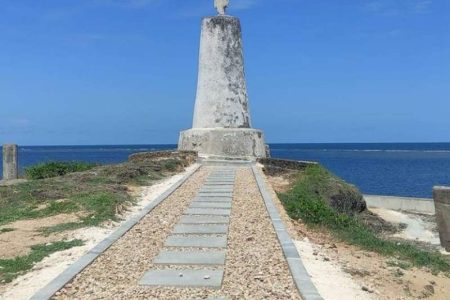
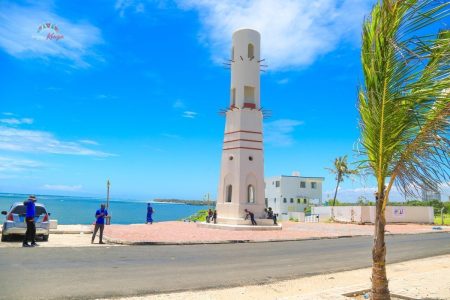
Malindi is one of the oldest established coastal towns in Kenya. It carries Swahili, Portuguese and Italian influence, visible in architecture and cuisine. The Vasco da Gama Pillar remains a prominent historical landmark along the shoreline.

Malindi Marine National Park lies offshore, offering diving and snorkelling opportunities. The town blends active local commerce with established tourism infrastructure.


Vipingo and the Clifftop Coast

South of Kilifi Town, Vipingo offers elevated ocean views and long, relatively undeveloped beaches. Clifftop homes overlook open water, while below, small fishing communities launch wooden boats from sandy coves.

This area feels more residential and less concentrated than Watamu or Malindi.


Nature Beyond the Beach

Kilifi’s diversity extends inland.

Arabuko Sokoke Forest, the largest remaining coastal forest in East Africa, lies just beyond Watamu. It supports rare bird species and endemic wildlife.

The Gede Ruins preserve the remains of a fifteenth-century Swahili town hidden within forest.

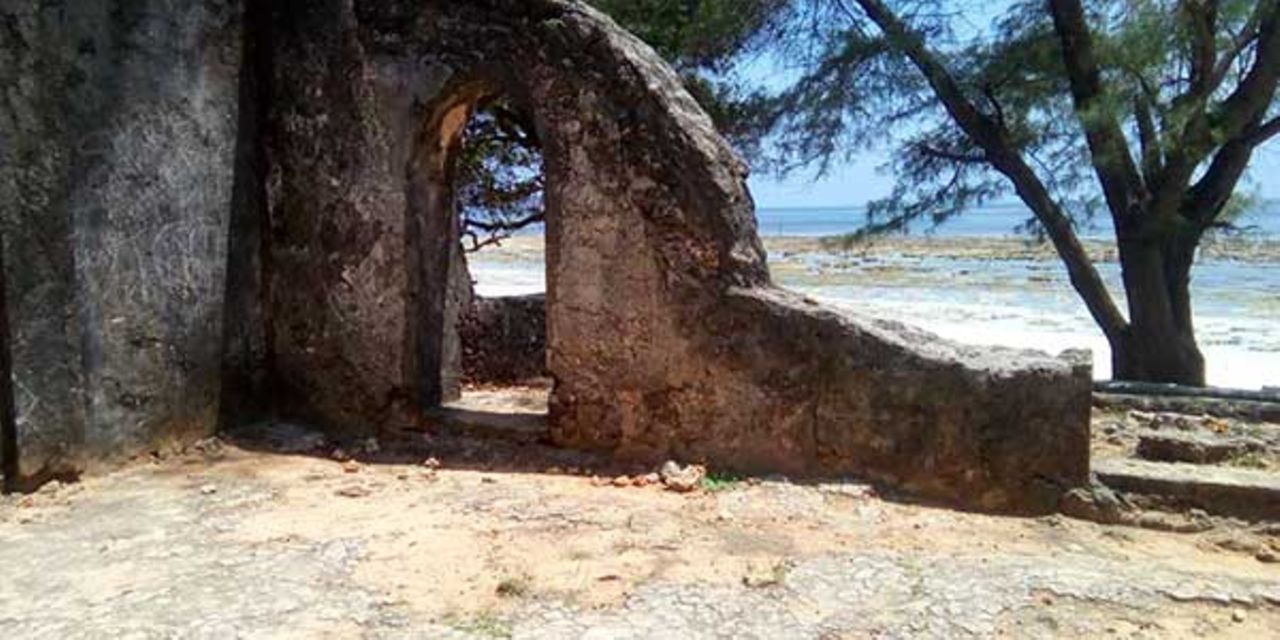
Jumba la Mtwana, near Mtwapa Creek, offers coral-stone ruins from early coastal settlements.

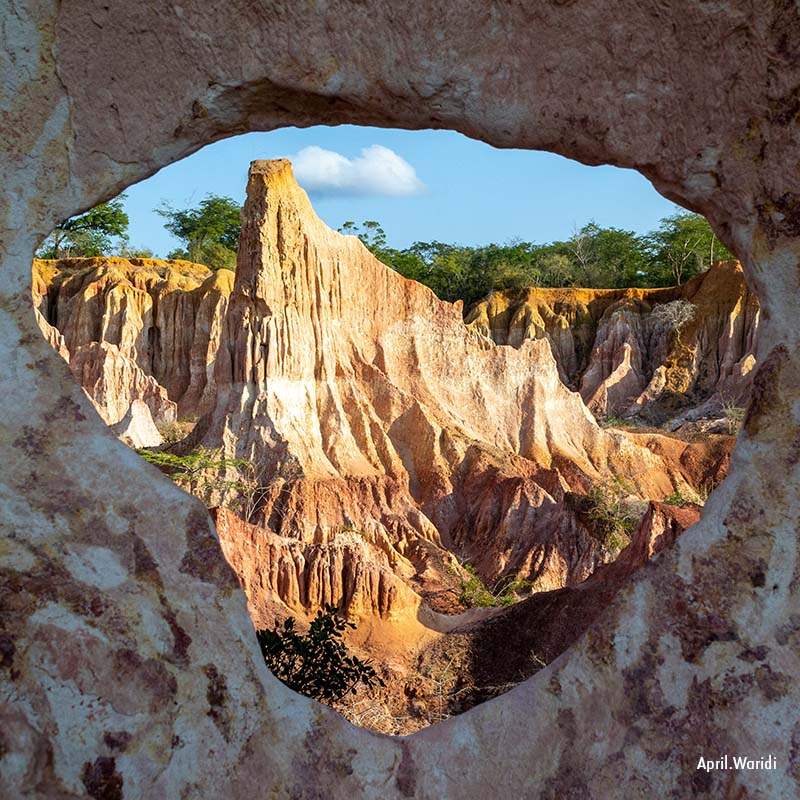
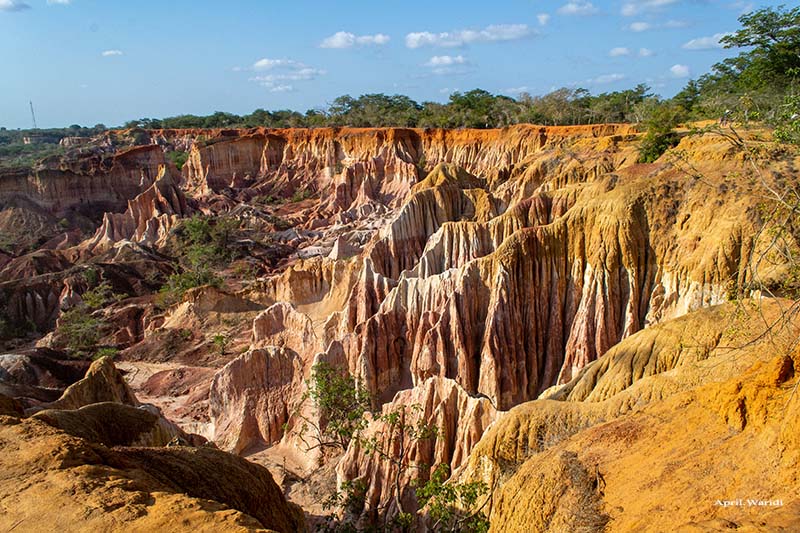
Further north, the Marafa Depression, often referred to as Hell’s Kitchen, reveals layered sandstone formations shaped by erosion.

Mabrui Sand Dunes and Vuma Cliffs add further variation to the county’s terrain.

Few other coastal counties combine reef, forest, ruins and dunes within such close proximity.


Community and Culture

Kilifi County has a population of approximately 1.45 million people. It is religiously diverse, with Christianity and Islam both widely practised. Coastal Swahili culture remains visible in language, cuisine and architecture, particularly in older settlements.

Fishing, coconut farming, cashew production and small-scale agriculture remain central to local livelihoods. Tourism is important, but it exists alongside established community economies.


Sub-Counties

Kilifi County is administratively divided into:

Kilifi North
Kilifi South
Kaloleni
Rabai
Ganze
Malindi
Magarini

These include both inland and coastal regions, reflecting the county’s geographic spread.


Transportation and Access

Kilifi is easily accessible by road via the Mombasa–Malindi highway. Travel times between coastal towns are relatively short, making multi-stop itineraries practical.

Malindi Airport provides domestic flight connections, primarily to Nairobi.

Within towns, transport options include matatus, tuk-tuks and boda-bodas. Many visitors use private transfers or car hire to explore multiple beaches and inland sites.


Kilifi County

Stories, tips, and guides

Vasco da Gama Pillar

The Vasco da Gama Pillar, located on the shores of the Indian Ocean in Malindi, Kilifi County, is a historical marvel that has been attracting tourists for over six centuries. Erected in 1498 by the renowned Portuguese explorer, Vasco Da Gama, the pillar stands as a testament to his pioneering journey from Europe to India via Africa’s Cape of Good Hope. On two momentous voyages between 1497 and 1502, Vasco da Gama not only landed and traded with locals along the southern African coast but also reached the shores of India on May 20, 1498. Historical accounts suggest that Vasco da Gama constructed the pillar to aid his fellow sailors in finding their bearings towards India and also played a crucial role in promoting trade between India and Portugal. Serving as one of the oldest European cenotaphs on the East African coast, the Vasco da Gama Pillar once provided direction to those navigating the sea route to India. This pillar, resembling a lighthouse without lights, is believed to have been visible to Portuguese explorers as they approached Malindi’s shores from the vast sea. Adjacent to the pillar stands the Portuguese Chapel which served as a place of prayer and became the final resting place for those who passed away during their voyages. Having stood the test of time, the Vasco da Gama Pillar witnessed Malindi’s history evolve, including the British colonialists’ occupation under the British East Africa protectorate. Vasco Da Gama’s arrival in Malindi in 1498 was greeted warmly by the Sultan of Malindi, marking the beginning of connections between Europe, Africa, and the Middle East, particularly India. In the 15th Century, Portugal’s spirit of exploration spanned across the globe. King Dom Manuel of Portugal appointed Vasco da Gama in 1497 to lead a fleet of four ships on a voyage to India through the Far East. After numerous adventures, the fleet anchored off Malindi on Easter Sunday, April 15th, 1498, where they were heartily welcomed by the Sultan. In response to Vasco da Gama’s request, the Sultan provided a skilled sea captain, Ibn Majid, who guided the fleet across the vast Indian Ocean to Calicut, India. Vasco da Gama’s favorable reception during his first visit likely led him to return to Malindi during his voyage back in 1499. On this occasion, his sailors were permitted to erect a pillar topped with a cross bearing Portugal’s Coat of Arms. Unfortunately, the presence of this Christian symbol caused dissatisfaction among the Muslim community, leading to its removal. However, representation from the small Portuguese community, which had established a trading post in Malindi, eventually persuaded the Sultan to permit the construction of a pillar at its current location to hold the cross. This pillar, known as the original Padrao, is the sole remaining one out of several placed along the African coastline by various Portuguese seafarers. Over time, the exposed location of the pillar led to weathering and erosion. In 1973, Captain Malcom of HMS Briton arranged for the protective concrete cone to be built, concealing the original pillar while supporting the limestone cross. This limestone was confirmed to be from Portugal upon examination. Declared a gazette National Monument in 1935, the Vasco da Gama Pillar now falls under the watchful care of the National Museums of Kenya. NMK has undertaken various restoration efforts, including reinforcing the sea wall, paving the access road, and providing amenities like parapet walkways, an ablution block, and a pavement to ensure an enhanced tourist experience, including easy access for people with disabilities. Operating Hours The Vasco da Gama Pillar is open daily from 6 am to 6 pm. Admission Fee to the Vasco da Gama Pillar To explore this remarkable historical landmark and gain access to four national monuments, including the Portuguese Chapel, House of Columns, and Malindi Museum, guests can acquire a single ticket at the following prices:

Rabai Church Museum

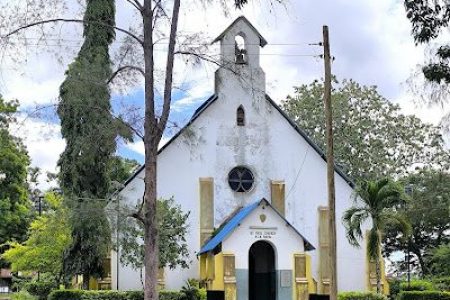
Rabai Church Museum The Rabai Church Museum, situated in Kaloleni, approximately 25 kilometers northwest of Mombasa and just a short half-hour drive from the city, holds great historical significance in the context of Christianity and European education in Kenya, with a history dating back over 150 years. Initially built in 1846, it stands as the first church structure in the country and continues to be an important historical monument in East and Central Africa. Adjacent to the church is the Krapf Memorial Museum, established in 1994 to commemorate the early missionary events.The Rabai Museum is housed within the original church building, which retains its rustic charm from the 19th century. Johann Ludwig Krapf, a pioneering German missionary and explorer in East Africa, constructed this medieval religious architecture. Inside the museum, visitors can explore religious and cultural artefacts and records depicting the challenging campaign to spread Christianity despite local resistance and animosity. Johann Ludwig Krapf and Johannes Rebmann played pivotal roles in establishing the church, making their work a focal point of the museum. As one of Kenya’s earliest churches, it serves as a tangible reminder of the initial involvement of European missionaries in the country and the broader East Africa region. The Rabai Museum offers a diverse range of collections that shed light on the history of Christianity and the Slave Trade. Additionally, it features cultural artefacts belonging to the Mijikenda people. Visitors can admire regalia and traditional clothing, such as the hando (a short skirt) and kishutu (coloured fabric), as well as tools used in the preparation of traditional food. These exhibits provide a fascinating glimpse into the region’s rich cultural heritage. Rabai Museum Entry Fees: Citizens of Kenya: Residents of East Africa: Non-Residents: Opening Hours: Rabai Church Museum Contacts Location: Rabai Church Museum, North-west of Mombasa, off the Nairobi-Mombasa highway. Kilifi County, Kenya. Phone: 020 3742741

Tsavo East National Park

Explore acacia savannahs where dust‑red elephants and maneless lions roam free

Holy Ghost Cathedral Catholic Church

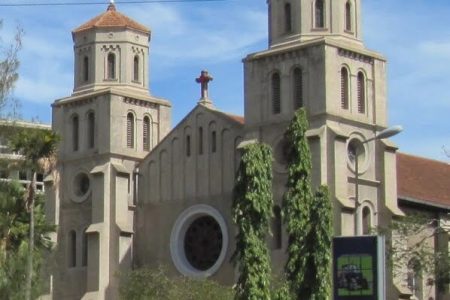
Mombasa Holy Ghost Cathedral Catholic Church Situated at the heart of Mombasa’s Central Business District, the Holy Ghost Cathedral Catholic Church stands as a testament to the city’s rich history and architectural splendour. Established in 1889 by Father Alexander le Roy, a Holy Ghost missionary, it is Mombasa’s first Catholic mission.The cathedral, built in the imposing Romanesque style, was opened to the faithful in 1923 after eight years of construction that commenced in 1916, during the tumultuous period of the First World War and the devastating Spanish flu pandemic. Despite these challenges, the church’s construction persevered, showcasing the dedication and resilience of the Catholic community in Mombasa. The roots of the Holy Ghost Cathedral Catholic Church trace back to the arrival of the Congregation of the Holy Spirit, known as the Spiritans, in Mombasa in 1889. Under the guidance of Monseigneur Raoul de Courmont, who was appointed the Vicar Apostolic of Zanzibar, Father Le Roy was sent on an exploratory mission to Mombasa. Father Le Roy, considered the pioneer of the church in Mombasa, settled in the city and established the first chapel in Ndia Kuu, Old Town. The church primarily catered to Goan and European communities in its early years.The church’s growth necessitated a move from the cramped chapel to a larger space. In 1898, a five-acre plot in the Makadara area was acquired to construct a new church capable of accommodating around 400 people. However, as the population continued to surge, the demand for a more substantial church became apparent by 1900.The task of designing the new church fell upon Walter Gustav, a proficient builder and missionary brother from the Spiritans. His plan, accepted by Bishop John Neville, received enthusiastic support from the congregation, who pledged funds for its realization. Despite the challenges posed by World War I, Brother Gustav, along with Brothers Killian Retig and Claver Fernandes, laid the foundation stone in 1916. During the church’s construction, residents were trained in stone carving and sculpting to utilize the readily available coral stones. Even the Spanish flu pandemic outbreak in 1918 did not deter their efforts to complete the project. Finally, in 1923, the Holy Ghost Cathedral Catholic Church, with its distinctive Romanesque architecture and prominent towers visible from the sea, stood as a testament to the unwavering dedication of the community.The interior of the cathedral is equally captivating. The high altar, tabernacle, and ambo were crafted from exquisite marble, skillfully carved and sculpted by stonemasons in Toulouse, France. The church boasts an array of coloured stained glass windows, each depicting significant aspects of the Catholic faith. Behind the tabernacle, three windows narrate the story of the church, with the central one dedicated to the Holy Spirit, the right one symbolizing the baptism of Christ, and the left representing the descent of the Holy Spirit, which marked the church’s inception. The church’s ceiling is an intricate replica of London’s Westminster Cathedral. Painstakingly hand-painted by an artist lying on a precarious platform, each cell was meticulously adorned, showcasing the remarkable craftsmanship involved.In 1923, following the consecration of the present cathedral, the original church from 1898 was transformed into a bookshop and printing press. It played a vital role in disseminating monthly publications such as “Rafiki Yetu” and “Catholic Times of East Africa.” Regrettably, this historic church building was eventually demolished in the 1970s to make way for Ambalal House.Today, the Holy Ghost Cathedral Catholic Church is a significant attraction and historic site in Mombasa, drawing visitors from far and wide to admire its grandeur and explore its rich heritage. It serves as a place of worship, a symbol of faith, and a window into the history of Catholicism in the region.

Mzima Springs: A Wildlife Haven

Discover the Geological Marvel and Abundant Wildlife of Mzima Springs Mzima Springs, located within the breathtaking Tsavo National Park in Taita-taveta County, Kenya, has captivated visitors with its stunning beauty and fascinating geological formation. These series of four springs owe their existence to a combination of rainfall, underground rivers, and porous volcanic rocks. Renowned for its crystal-clear waters and vibrant wildlife, Mzima Springs has become an iconic attraction in the region. The story of Mzima Springs begins in the Chyulu Hills, a volcanic mountain range adjacent to the springs. Thanks to substantial rainfall, the porous volcanic rocks of the hills serve as a natural reservoir. Rainwater seeps into these rocks, gradually creating a vast network of underground rivers. These rivers converge and flow towards the lower-lying areas, including Mzima Springs. The volcanic rocks’ porous nature allows the water to filter through, accumulating in underground reservoirs over time. The Clarity of Mzima Spring’s Waters Mzima Springs, originating from the Chyulu Hills, is a remarkable water source producing an astonishing 250 million liters of fresh water daily, playing a vital role in supplying Mombasa. As the water emerges from the underground reservoirs, it forms four main springs that collectively feed a series of pools and lush vegetation. The exceptional clarity of the water at Mzima Springs is a result of its filtration through the porous volcanic rocks. This natural filtration process effectively removes impurities, resulting in remarkably clear and transparent waters. Visitors can peer into the depths of the springs, where they will be captivated by the thriving aquatic life below. Additionally, Mzima Springs offers a unique feature—a specially designed underground tank with perspex sides. This tank allows visitors to view numerous fish at eye-level, both below and above the waterline, providing an even more immersive experience. Wildlife Haven Mzima Springs is famous for its resident populations of hippos and Nile crocodiles, making it a true haven for wildlife within Tsavo National Park. These magnificent creatures can be observed in their natural habitat, offering an awe-inspiring spectacle. Wildlife film-makers Alan and Joan Root immortalized Mzima Springs in their nature documentary “Mzima: Portrait of a Spring” (1969), featuring remarkable underwater footage of the hippos and crocodiles. The springs were also the subject of the Survival Special “Mzima: Haunt of the Riverhorse” (2003), which revealed the first-ever recorded footage of hippo infanticide. Nature Trails and Scenic Splendor Exploring Mzima Springs is an adventure that allows visitors to immerse themselves in the park’s breathtaking landscapes. Well-maintained nature trails wind along the shoreline, offering glimpses of the abundant wildlife and panoramic views.  The main trail stretches approximately 1 kilometer and can be comfortably walked in about 20 minutes. Along the way, lush vegetation, towering trees, and a rich variety of bird species add to the enchantment of the surroundings. Mzima Springs’ trails provide a serene escape where visitors can reconnect with nature and appreciate the wonders of the park. Education and Conservation Mzima Springs also serves as an educational hub, offering programs by the Kenya Wildlife Service that highlight the water cycle and the importance of water conservation. Visitors have the opportunity to deepen their understanding of the delicate balance of ecosystems and the significance of preserving these natural resources for future generations.  Preserving a Natural Treasure The existence of Mzima Springs depends not only on the geology of the region but also on maintaining a delicate balance between rainfall and the replenishment of underground water sources. As a vital water source for diverse wildlife and local communities, the management and conservation of these springs are crucial. 

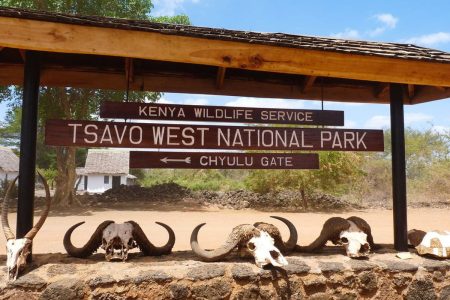
Tsavo West National Park

Explore Mzima Springs, lava fields and Kenya’s iconic red elephants.

Discovering Lugard Falls

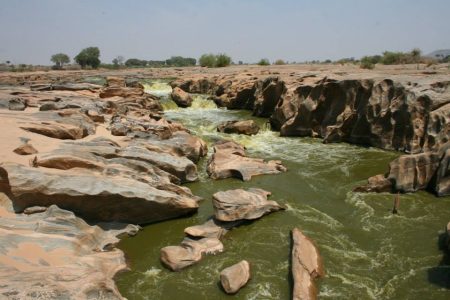
Lugard Falls, situated in the central region of Tsavo National Park within Taita-Taveta County, is a captivating natural marvel renowned for its abundant historical significance. Its name pays homage to Frederick Lugard, a distinguished British explorer and colonial administrator. Geographic formation Lugard Falls is formed by the Galana River as it encounters a series of geological features in its course. The river’s rapid flow leads to a plunge into a large pool, creating a mesmerizing display of natural power. The surrounding landscape, shaped by the relentless force of the river, has resulted in a narrow rocky gorge through which the water flows, culminating in the breathtaking cascade of Lugard Falls. The falls are known for their impressive white water rapids, caused by rocks obstructing the Galana River’s path. The water plunges into a large pool, offering a captivating spectacle.  One of the distinctive features of Lugard Falls is the presence of multicolored rocks. These rocks, exhibiting beautiful strips of pink, light grey, and white, add to the unique appeal of the falls. The constant flow of water has shaped and carved these rocks, contributing to the visually stunning landscape. Opening Hours: Lugard Falls is open for visitation from 9:00 am to 6:00 pm every day. Best Time to Visit: The falls can be visited throughout the year, regardless of the season. However, the rainy season, which typically occurs from March to May and October to December, offers a more powerful, and visually striking experience as the water flow intensifies. What to Wear: To make the most of your visit to Lugard Falls, it is recommended to wear comfortable clothing and sturdy walking shoes. Additionally, bring a hat, sunglasses, sunscreen, and insect repellent to protect yourself from the sun and potential insects in the area. Additional Information: Crocodile Point: Located about a kilometer below the falls, Crocodile Point is a habitat for giant crocodiles and hippos. It’s an interesting spot to observe these fascinating creatures. Safety Precautions: While exploring Lugard Falls, always adhere to safety guidelines. Stay a safe distance from the falls and follow instructions from park rangers to ensure a secure and enjoyable visit. Activities to be enjoyed at Lugard Falls Hiking Here the starting point is from Lugard and Harlech Road, you can walk either way and later you will end up back at the same time spot, following the clockwise there is a great view of the Peak Tower as you finish your hike this takes you around 40 minutes. There are several hiking trails around the peak but this is a very easy option that is a gentle walking path rather than a hike. It is a flat and pave the whole way even small children with little legs can manage it easily, you pass many people on the way and it is a popular running spot for locals. The path takes you through typical jungle-like Hong Kong growth, Banyan tree root system, tentacle-like. Lugard Falls is also a nice point of interest and if there has been recent rain it will be full flow, cascading down the mountain Guided Tours For a more enriching experience, guided tours are available at Lugard Falls. Knowledgeable park rangers can accompany visitors and provide valuable insights about the falls, the surrounding ecosystem, and the diverse wildlife species in the area.  Wildlife safaris There are various animal species in Lugard Falls and including the cheetah, zebras, hippos, wildebeest, giraffes, wild dogs, hyenas, and many others and the Lugar Falls also acts as a good sighting area for those animals during your visit to the Tsavo East National park. Birds Safaris In Lugard Falls you also be able to view or observe the unique variety of bird species such as crowned crane, black kite, lovebird, sacred ibis, and many more, here you can observe the bird species since the falls are on a flat land with dry plains a cross in the Tsavo East national park. Nature walking safaris Nature walking offers an incredible wildlife experience, this safari is done on foot and the visitors around led by the ranger guides for protection from animal attacks for example like from the crocodiles in Lugard Falls, the tourists or visitors enjoy the beautiful nature of the Lugard falls that is by viewing the power of the waterfall disappearing in deep chasms in its boundaries, you can be able to see hippos and crocodiles below the fall. Camping If you’re seeking an immersive outdoor experience, camping is an option within and around Lugard Falls. Galessa Camp, located a short distance upstream from the falls, offers a picturesque camping site. The camp is open year-round, allowing visitors to enjoy the beauty of the area regardless of the season.  The climate The climate in this region is generally hot and dry, with refreshing cooling breezes that can be attributed to the nearby Lugard Falls. Camping amidst the natural splendour of Lugard Falls provides a unique opportunity to connect with nature and fully immerse yourself in the tranquil ambiance of the surroundings.

Mama Ngina Waterfront Park

Enjoy a palm lined waterfront stroll with cool sea breeze and Kilindini Channel views.

Get special offers, and more from Traveler

Subscribe to see secret deals prices drop the moment you sign up!

[mc4wp_form id="92"]
error: Content is protected !!